
Serengeti National Park
Introduction to the Serengeti
Located in northern Tanzania, Serengeti National Park is one of the most iconic safari destinations in the world. Renowned for its vast open plains, abundant wildlife, and breathtaking natural beauty, the Serengeti offers an authentic African safari experience unlike anywhere else. Covering approximately 14,750 square kilometers, this UNESCO World Heritage Site is a symbol of Africa’s wild heritage and ecological richness.
The name “Serengeti” comes from the Maasai word Siringet, meaning “endless plains,” perfectly describing the park’s sweeping savannah landscapes that stretch as far as the eye can see.
Why Visit Serengeti National Park?
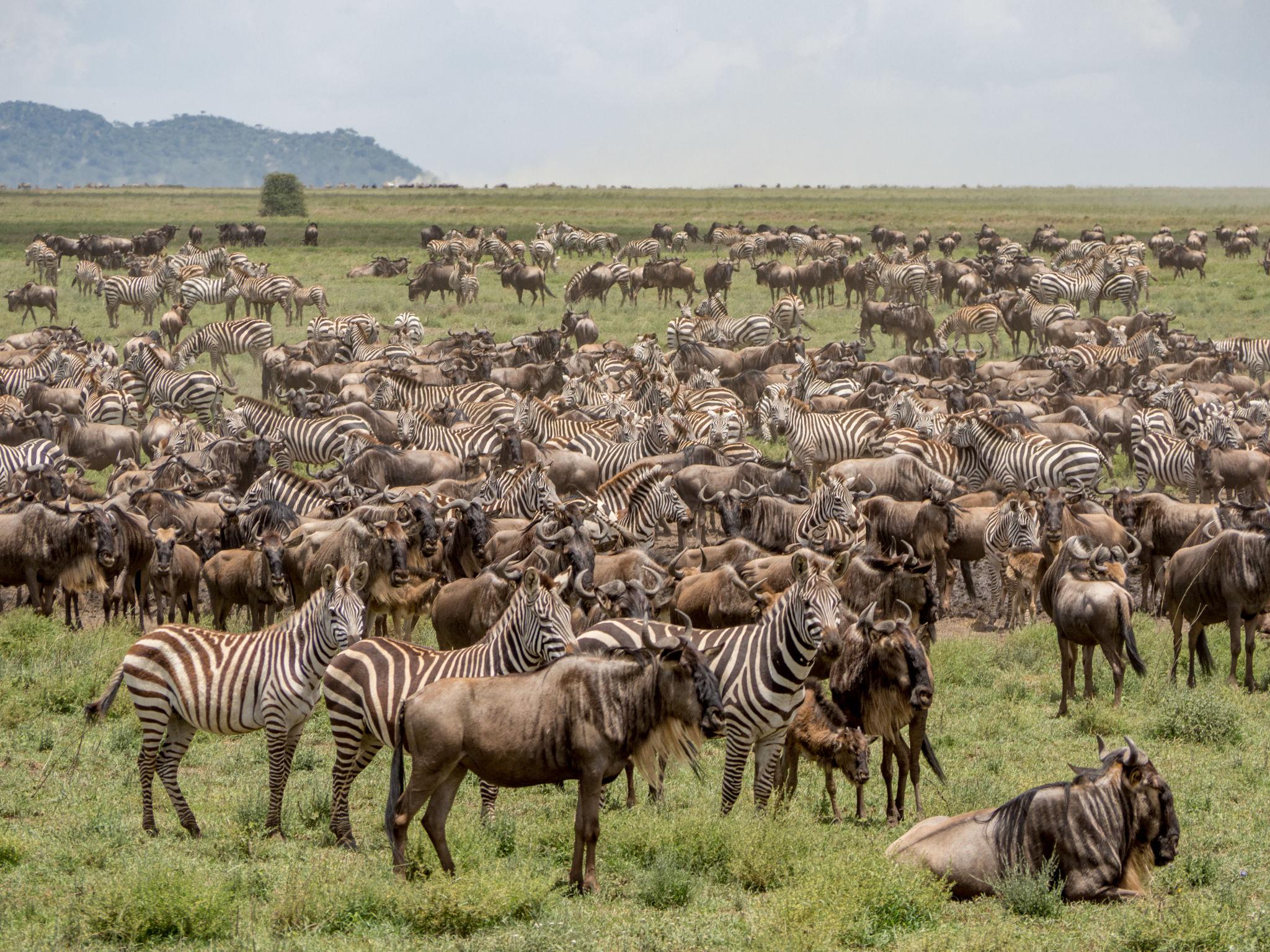
The Serengeti stands out as a premier safari destination due to its incredible biodiversity and year-round wildlife viewing opportunities. It is home to the famous Great Migration, one of the most spectacular wildlife events on Earth, where over 1.5 million wildebeest, along with zebras and gazelles, move in a continuous cycle in search of fresh grazing.
Beyond the migration, visitors can witness Africa’s legendary Big Five—lion, leopard, elephant, buffalo, and rhino—along with cheetahs, hyenas, giraffes, hippos, and more than 500 bird species. The Serengeti ecosystem is one of the oldest on the planet, and its climate, vegetation, and wildlife patterns have remained largely unchanged for millions of years.
The Great Migration Experience
The Great Migration is the highlight of any Serengeti safari. This natural phenomenon is driven by rainfall patterns and unfolds across different regions of the park throughout the year.
- December to March – Calving season in the southern Serengeti, where thousands of wildebeest calves are born daily.
- April to June – The herds move northward through the central Serengeti.
- July to October – Dramatic river crossings in the northern Serengeti, especially at the Mara River.
- November – The herds begin their journey back south.
Each phase offers unique wildlife encounters, from predator action during calving season to thrilling river crossings filled with crocodiles and chaos.

Wildlife and Ecosystems
The Serengeti’s ecosystem is incredibly diverse, ranging from open grasslands and wooded savannahs to riverine forests and rocky outcrops known as kopjes. These varied habitats support a wide range of wildlife species.
- Predators: Lions are abundant, and the park is known for large prides. Leopards are often seen resting in trees, while cheetahs dominate the open plains.
- Herbivores: Massive herds of wildebeest, zebras, and antelopes roam freely.
- Birdlife: From ostriches to secretary birds and colorful lilac-breasted rollers, the Serengeti is a paradise for birdwatchers.
This rich biodiversity ensures that every game drive offers something new and exciting.

Safari Activities in Serengeti
A safari in the Serengeti goes beyond just game drives. Visitors can enjoy a range of immersive experiences:
- Game Drives: Morning, afternoon, and full-day safaris provide excellent wildlife viewing.
- Hot Air Balloon Safaris: Float above the plains at sunrise for a breathtaking aerial view of wildlife.
- Walking Safaris: Explore the bush on foot with experienced guides in designated areas.
- Cultural Visits: Engage with local Maasai communities and learn about their traditions and way of life.
Each activity offers a unique perspective of the Serengeti’s beauty and wildlife.

Best Time to Visit Serengeti
The Serengeti is a year-round destination, but the best time to visit depends on your interests:
- Dry Season (June to October): Ideal for wildlife viewing as animals gather around water sources.
- Green Season (November to May): Lush landscapes, fewer crowds, and excellent birdwatching opportunities.
For those specifically interested in the Great Migration, timing your visit according to the movement of the herds is essential.
Accessibility and Travel
Most safaris to the Serengeti start from Arusha, the main gateway to northern Tanzania’s safari circuit. Travelers can reach the park via:
- Domestic flights to various airstrips within the Serengeti.
- Road transfers as part of a multi-day safari itinerary.
The journey itself is scenic, often passing through other famous destinations like Ngorongoro Conservation Area.
Conservation and Sustainability
Serengeti National Park plays a vital role in global conservation efforts. Managed by the Tanzania National Parks Authority, the park is protected to preserve its ecosystems and wildlife for future generations.
Sustainable tourism practices are encouraged, ensuring that visitors can enjoy the Serengeti while minimizing environmental impact. Conservation efforts also support local communities, creating a balance between wildlife protection and human development.
Serengeti National Park is more than just a safari destination—it is a living, breathing ecosystem that offers one of the most extraordinary wildlife experiences on Earth. From the awe-inspiring Great Migration to its rich biodiversity and stunning landscapes, the Serengeti captures the true essence of Africa’s wilderness.
Whether you are a first-time visitor or a seasoned traveler, a safari in the Serengeti promises unforgettable memories, close encounters with wildlife, and a deep connection with nature.