
Mount Kilimanjaro
Africa’s Iconic Climbing and Adventure Destination
Rising majestically in northern Tanzania, Mount Kilimanjaro is Africa’s tallest mountain and the world’s highest free-standing peak. Standing at 5,895 meters (19,341 feet) above sea level, Kilimanjaro is one of the most sought-after adventure destinations for trekkers and climbers from around the globe.
Unlike many high-altitude mountains, Kilimanjaro does not require technical climbing skills, making it accessible to a wide range of travelers. However, reaching the summit—Uhuru Peak—is still a physically demanding challenge that requires preparation, determination, and proper acclimatization.

Why Climb Mount Kilimanjaro?
Climbing Kilimanjaro is not just about reaching the summit—it’s about the journey through diverse landscapes, the sense of achievement, and the unforgettable views along the way.
- Africa’s Highest Point: Standing on Uhuru Peak is a once-in-a-lifetime accomplishment.
- Non-Technical Climb: No ropes or climbing experience required, making it accessible to beginners with good fitness.
- Scenic Diversity: Experience multiple ecosystems in a single trek.
- Personal Challenge: A rewarding test of endurance, mental strength, and resilience.
For many, summiting Kilimanjaro is a life-changing experience and a major bucket-list achievement.
Popular Climbing Routes
Choosing the right route on Mount Kilimanjaro is one of the most important decisions for a successful and enjoyable climb. Each route differs in scenery, duration, difficulty, crowd levels, and acclimatization profile. Below is a deeper look at the main routes to help you understand which one best fits your clients or travel style.
1. Marangu Route (The “Coca-Cola Route”)
The Marangu Route is the only route that offers hut accommodation instead of camping, making it attractive for travelers who prefer more comfort. Climbers sleep in shared wooden huts with basic facilities, which is especially helpful during rainy or cold conditions.
- Duration: 5–6 days
- Difficulty: Moderate, but often underestimated
- Scenery: Rainforest → Moorland → Alpine desert → Summit
- Key Advantage: Comfortable huts, simpler logistics
- Main Challenge: Poor acclimatization due to shorter duration
Because it ascends and descends on the same trail, it can feel more crowded and less varied. Despite being labeled “easier,” the lower success rate is mainly due to insufficient acclimatization time.

2. Machame Route (The “Whiskey Route”)
The Machame Route is the most popular route on Kilimanjaro, known for its stunning scenery and excellent acclimatization profile. It follows the “climb high, sleep low” principle, which improves summit success rates.
- Duration: 6–7 days
- Difficulty: Moderate to challenging
- Scenery: Very diverse and dramatic landscapes
- Key Highlight: Barranco Wall (a fun, non-technical scramble)
- Main Advantage: High success rate due to better acclimatization
This route is ideal for adventurous trekkers who want a balance of challenge, scenery, and success rate.
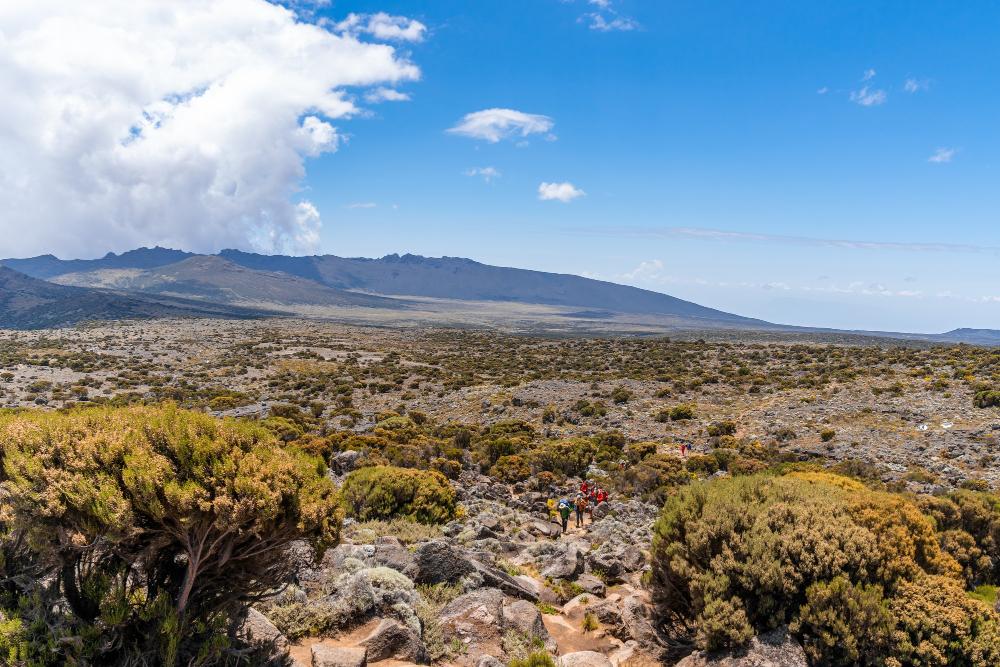
3. Lemosho Route (Best Overall Experience)
The Lemosho Route is widely considered the best route for both scenery and acclimatization. It starts on the western side of the mountain and crosses the beautiful Shira Plateau.
- Duration: 7–8 days
- Difficulty: Moderate
- Scenery: Exceptional and less crowded at the start
- Key Advantage: High summit success rate
- Experience: Quiet, remote, and immersive
It eventually joins the Machame Route, but the early days are far less crowded. This route is perfect for travelers seeking a premium, less rushed trekking experience.
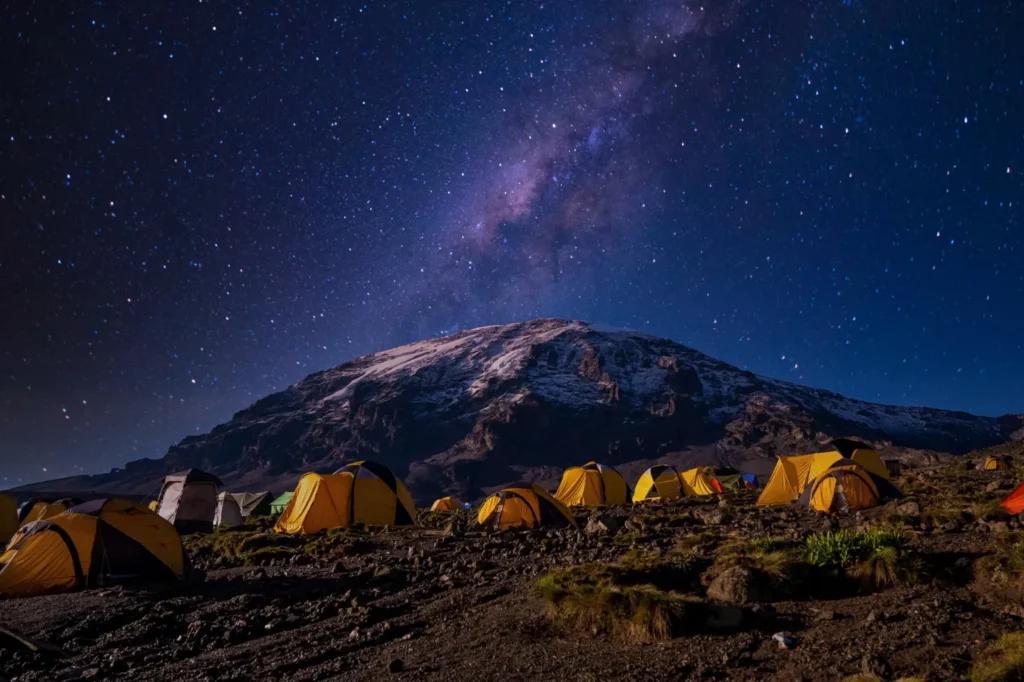
4. Rongai Route (Northern Approach)
The Rongai Route approaches Kilimanjaro from the northern side near Kenya, offering a completely different perspective of the mountain.
- Duration: 6–7 days
- Difficulty: Moderate
- Climate: Drier and less affected by rain
- Crowds: أقل crowded than southern routes
- Key Advantage: Good option during rainy season
While the scenery is slightly less dramatic than Machame or Lemosho, it provides a quieter and more peaceful climb, ideal for those wanting to avoid heavy traffic.

5. Northern Circuit (Longest & Most Successful)
The Northern Circuit is the longest and most comprehensive route on Kilimanjaro, circling around the mountain’s northern slopes.
- Duration: 8–9 days
- Difficulty: Moderate (due to longer duration, not technical difficulty)
- Scenery: 360-degree views of the mountain
- Crowds: Very low
- Key Advantage: Highest summit success rate
This route offers the best acclimatization because of its extended itinerary, making it ideal for those who prioritize success and a quiet, immersive experience over speed.
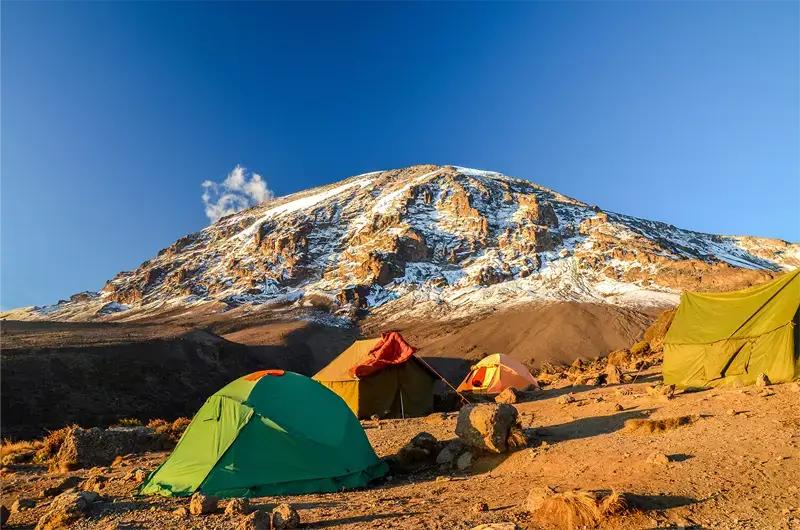
How to Choose the Right Route
Selecting the best route depends on several key factors:
- For comfort: Marangu Route
- For scenic adventure: Machame or Lemosho
- For high success rate: Lemosho or Northern Circuit
- For fewer crowds: Rongai or Northern Circuit
- For beginners with time: Lemosho (7–8 days recommended)
There is no single “best” route for everyone only the best route for your goals, fitness level, and expectations. However, routes with longer durations and better acclimatization profiles consistently deliver higher summit success and a more enjoyable overall experience on Mount Kilimanjaro.
If you’re designing packages or advising clients, prioritizing 7+ day itineraries on routes like Lemosho or Northern Circuit will significantly improve both satisfaction and summit rates.